








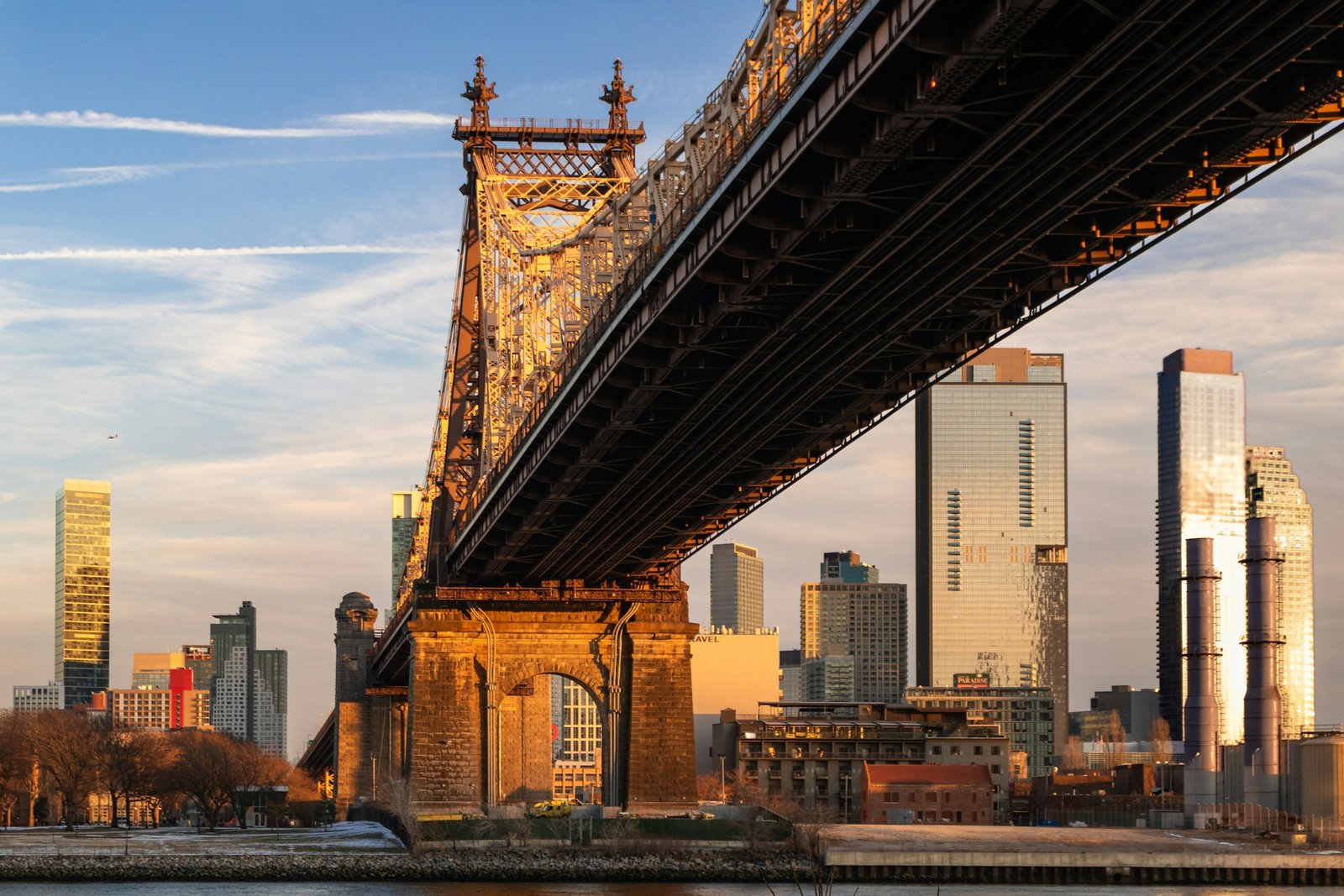
Is Queens in New York City safe? Yes – Queens is safe for tourists when you stay near major subway stations and use active streets. Most concerns come from navigation, not crime.
Queens has always been New York’s “arrivals borough” the place that grew up around ferries, rail yards, airports, and waves of new New Yorkers building block by block. When the five boroughs officially consolidated into one city on January 1, 1898, Queens became part of that bigger New York story overnight.
Today, the real answer to is Queens in New York City safe is not one sentence. Queens is huge, and it behaves like several cities stitched together. So we’re going to do this the way locals do it: by neighborhood, by train line, and by what your actual plans look like after dark.
 The Queens safety map tourists actually need
Think of Queens in zones. This is the “mental map” we use when friends visit.
Zone 1: West Queens (most tourist friendly, easiest Manhattan access)
Long Island City, Astoria, Sunnyside, Woodside
Why it works: fast subways, lots of hotels, plenty of people out at night, easy “home base” energy.
Best for first timers: Long Island City and Astoria
Best “cheap but convenient” combo: Sunnyside and Woodside
Zone 2: The Roosevelt Avenue corridor (amazing food, busy streets, but be street smart late)
Jackson Heights, Elmhurst, Corona
This stretch is one of NYC’s best eat-your-way-through neighborhoods. It’s also intensely urban: busy sidewalks, packed transit hubs, nightlife pockets, and a different vibe late at night than a quiet residential area.
Best for: food trips, culture, daytime exploring
Late night tip: stick to well-lit main avenues near big stations, and don’t wander onto empty side streets after midnight.
(If you’re using the 7 train, the 74 St–Broadway / Jackson Heights hub is the big transfer point.)
Zone 3: North and East Queens (quieter, more residential, great if you like calm)
Forest Hills, Kew Gardens, Flushing, Bayside
These areas feel more “neighborhood” than “tourist,” which many travelers love. Forest Hills is a strong pick if you want a calmer base with solid transit.
Best for: families, light sleepers, longer stays
Tradeoff: fewer “tourist hotels” than Long Island City, and some areas are more bus-reliant at night.
Zone 4: South Queens (airport and transit hubs, pick locations carefully)
Jamaica and nearby areas
Jamaica is a major transit center (especially for JFK connections), and that brings crowds and unpredictability late at night.
Best for: quick JFK logistics
Not our first pick as a vacation base unless you’ve chosen a specific hotel for a specific reason and you’re comfortable navigating busy transit hubs.
Zone 5: The Rockaways (beach town energy, great in summer, quiet in winter nights)
Rockaway Beach and the peninsula
Awesome for a different NYC day, but it’s far from Manhattan and gets quiet late.
Best for: a day trip, summer stays
Winter tip: plan your return timing so you’re not doing long, empty waits on platforms late at night.
 Best neighborhoods to stay in Queens
When people ask is Queens in New York City safe, what they’re really asking is:
“If I walk back to my hotel at 10–11 pm after a Broadway show, will I feel comfortable?”
That answer depends almost entirely on which few blocks you choose, not just the neighborhood name. Here’s how we break it down when friends visit.
Long Island City (LIC): the easiest “Queens hotel base”
Why travelers feel comfortable here
LIC sits directly across the East River from Midtown. Over the past decade, it filled up with high-rise hotels, offices, and new residential towers. That matters because streets stay active later, sidewalks are well-lit, and subway exits are busy even at night.
Where to stay within LIC
Focus on hotels within a 5–7 minute walk of Court Square, Queensboro Plaza, or Vernon Blvd–Jackson Ave stations. These areas have constant foot traffic and multiple train lines as backups.
Late-night reality
Coming back from Manhattan at 11 pm feels routine here. You’ll see commuters, couples, dog walkers, and other travelers, not empty streets.
Commute to Manhattan
5–10 minutes to Midtown on the E, M, G, N, or 7 trains.
Who LIC is best for
First-time NYC visitors, couples, short stays, winter trips, anyone prioritizing ease and predictability.
Astoria: local, lively, and still convenient
Why travelers like Astoria
Astoria feels lived-in. Busy avenues, packed restaurants, and people out late eating, talking, walking home. That everyday activity creates safety without the “tourist bubble” feel.
Where to stay within Astoria
Stick close to Astoria–Ditmars Blvd or Broadway / 30th Ave stations. These corridors stay lively late and have the clearest routes back to hotels.
Late-night reality
Main avenues feel fine late. Side streets are quieter but still residential, not industrial.
Commute to Manhattan
15–25 minutes to Midtown via N/W trains.
Who Astoria is best for
Repeat NYC visitors, food lovers, travelers who want a neighborhood vibe but still feel secure.
Sunnyside and Woodside: good value, straight-shot transit
Why these work (and why some people hesitate)
These areas don’t look “touristy,” which makes some visitors nervous. In reality, they’re dense, residential, and very functional if you stay near the train.
Where to stay within Sunnyside
Near 46 St–Bliss St (7 train). That station area stays active and well-lit.
Where to stay within Woodside
Near 61 St–Woodside. This is a major hub with the 7 train, LIRR, and steady foot traffic.
Late-night reality
Main streets and station areas feel fine. Wandering deeper into quiet residential blocks late at night feels unnecessary, not dangerous, just empty.
Commute to Manhattan
15–25 minutes to Midtown via the 7 train.
Who these are best for
Budget-conscious travelers who want space and good transit more than nightlife.
Forest Hills: calmer base with a “real neighborhood” feel
Why some travelers love it
Forest Hills feels suburban by NYC standards. Wide streets, detached houses, fewer crowds, and a calmer pace.
Where to stay within Forest Hills
Near Forest Hills–71 Ave station. This keeps your walk short and straightforward.
Late-night reality
Quiet, not sketchy. Streets empty out earlier than LIC or Astoria.
Commute to Manhattan
30–40 minutes to Midtown via E/F trains.
Who Forest Hills is best for
Families, light sleepers, longer stays, travelers who prefer calm over buzz.
Flushing: unbeatable food, farther from Midtown
Why it’s misunderstood
Flushing is extremely busy and well-populated, which actually increases safety on main streets. The issue is distance, not danger.
Where to stay within Flushing
Near Main St–Flushing station. That’s where activity, food, and transit concentrate.
Late-night reality
Main streets stay active late. Some side streets go quiet fast.
Commute to Manhattan
40–50 minutes via the 7 train.
Who Flushing is best for
Food-focused trips, repeat visitors, travelers planning Queens-heavy itineraries.
Areas we don’t usually recommend as a first-time base
Not because they’re “dangerous,” but because they add friction.
- Jamaica (around major transit hubs late at night): extremely busy, chaotic after dark, better for airport logistics than vacation stays
- Industrial pockets near highways or warehouses: safe during the day, empty and uncomfortable late
- Far eastern or southern Queens: long commutes make nights feel tiring, not unsafe
The rule that actually answers “is Queens in New York City safe”
Queens is safe when your hotel is close to a busy subway station and your walk home is short and well-lit.
That single factor matters more than crime statistics or borough-wide labels.
Want to compare hotels in these Queens neighborhoods?
Check current availability in Long Island City, Astoria, Sunnyside, and Forest Hills here.
 Where it can feel sketchy at night
When travelers say “Queens felt unsafe,” it’s usually one of these situations, not a whole neighborhood.
Big transit hubs late night
Places around major stations can shift after midnight: fewer families, more people passing through, more loitering. If you’re arriving late, use the simplest route, keep your phone put away, and head straight to your hotel.
Industrial edges and empty blocks
Queens has pockets of warehouses, auto shops, and wide empty streets. They can feel fine at 4 pm and eerie at 1 am. At night, stick to streets with open businesses and steady foot traffic.
Roosevelt Avenue late night
Amazing corridor, especially for food, but late night is when you want “main streets only” discipline: well-lit avenues, busy corners, and no scenic detours.
 How we check “is Queens in New York City safe” using official data
We don’t guess. We verify.
Use NYPD precinct level stats, then zoom in
The NYPD publishes borough and precinct crime statistics and updates them weekly.
For an even more practical view, CompStat 2.0 includes an incident map you can use around a specific address.
Our quick method for travelers:
- Pick your hotel address or intersection.
- Check the immediate area on the incident map.
- If the map shows clusters right around your route from subway to hotel, pick a different block, not necessarily a different neighborhood.
That’s the real Queens rule: in dense NYC, a few blocks can change the vibe.
 How to get from Queens to Manhattan
If your plan is sightseeing in Manhattan every day, base yourself where the commute is painless.
The “easy mode” Queens bases
- Long Island City: multiple subway options, quick Midtown access
- Astoria: straightforward ride into Manhattan
- Sunnyside/Woodside: practical access, often better hotel value
The 7 train: the Queens spine
The 7 runs between Flushing and Hudson Yards and hits major Queens stops like Jackson Heights and Woodside.
If you’re staying off the 7, you’ll love how simple it feels for Midtown days.
 Airport reality: Queens is where airport trips get easier
LaGuardia (LGA)
The official LaGuardia site points visitors to subway connections via Jackson Heights, where you connect using bus service to the terminals.
The Q70 SBS route is literally branded as the LaGuardia Link, connecting the Jackson Heights subway hub and Woodside.
JFK
If you’re doing JFK, AirTrain is the core link. JFK’s official site lists the standard AirTrain fare as $8.50 when entering or exiting at Jamaica Station or Howard Beach.
Jamaica is a transit powerhouse, so plan your route, move with purpose, and you’ll be fine.
 What travelers actually notice in Queens
Here’s what keeps coming up from real visitor experiences we hear all the time:
- Queens feels more local than Manhattan. That’s the point. You’ll see families, commuters, and neighborhood life.
- The “unsafe” moments are usually situational. Late night emptier blocks, confusing station exits, or wandering without a plan.
- If your hotel is a short, well-lit walk from the subway, your trip feels easy. That single detail changes everything.
 The Easiest Way to Save on NYC’s Must-See Attractions

If you’re staying in Queens, most of your sightseeing days will still happen in Manhattan. That usually means grouping several major attractions into one or two full days, especially if you want to minimize back-and-forth travel.
This is where New York CityPASS fits naturally into the plan.
Instead of buying individual tickets at each attraction, CityPASS bundles several of New York’s most visited sights into one purchase. For travelers who plan to see more than two or three major attractions, this often results in noticeable savings compared to buying tickets separately.
In practice, many visitors end up saving around 40–42%, depending on which attractions they choose.
Attractions Included With New York CityPASS
CityPASS includes admission to five major NYC attractions. Some are fixed, and others are chosen from a list, which gives you flexibility if weather changes your plans.
Commonly included options are:
- Empire State Building Observatory (includes day and night entry)
- American Museum of Natural History
- Top of the Rock Observation Deck
- 9/11 Memorial & Museum
- Statue of Liberty & Ellis Island ferry access
- Circle Line Sightseeing Cruises
- Intrepid Sea, Air & Space Museum
- Guggenheim Museum
This combination works well for first-time visitors and repeat travelers alike, especially if you want a mix of views, museums, and classic NYC landmarks without buying tickets one by one.
Broadway: Not Included, but Still Discounted
Broadway shows are not included in the standard CityPASS attractions list. However, CityPASS holders get access to a separate Broadway booking page that offers discounted Broadway tickets. You still pay for the show, but pricing is often lower than standard box office rates, with fees shown clearly before checkout.
👉 Learn more about New York CityPASS here: https://www.citypass.com/new-york
👉 Broadway ticket deals for CityPASS holders: https://broadway.citypass.com/new-york
 A practical safety checklist for Queens
Queens doesn’t require special rules, but it does reward basic city awareness. These are the habits locals use without thinking about them, and they’re the same ones that make visitors feel comfortable quickly.
During the day
Daytime in Queens is generally straightforward, but these small choices make exploring smoother:
- Stay oriented around subway lines. If you know which train you’re using and where it surfaces, you’ll always feel grounded.
- Use main streets when exploring new areas. In Queens, main avenues usually mean open shops, steady foot traffic, and clear sightlines.
- Be mindful near large transit hubs. Busy doesn’t mean unsafe, but it does mean distractions. Keep bags zipped and phones secure.
- Plan routes before exiting stations. Knowing whether you’re turning left or right avoids standing still and looking lost.
- Trust neighborhood rhythms. Areas full of families, grocery stores, cafés, and schools during the day tend to stay stable overall.
At night
Night safety in Queens is less about crime and more about environment and visibility.
- Choose a hotel within a simple, well-lit walk from a major subway stop. This matters more than the neighborhood name.
- Stick to main avenues and active streets. Bright lights and open businesses are your cue.
- Avoid shortcuts through industrial or warehouse blocks. These areas can be perfectly fine by day and uncomfortably empty at night.
- Keep your phone away while walking. Check directions before exiting the station and move with purpose.
- If something feels off, don’t debate it. A short rideshare for the last few blocks is often the easiest solution.
Queens isn’t about “danger zones,” it’s about choosing the right path home.
Late returns from Manhattan
Many visitors staying in Queens come back late after shows, dinners, or events in Manhattan. This is normal and very common.
- Use the most direct subway route, even if it takes a few extra minutes.
- Exit at busier stations, not necessarily the closest one if the difference is small.
- Follow foot traffic when possible.
- Once you’re a few blocks from your hotel, prioritize familiarity over exploration.
What usually causes discomfort (not danger)
When travelers report feeling uneasy in Queens, it’s usually one of these situations:
- Walking through empty industrial stretches late at night
- Getting off at a confusing or oversized station without a plan
- Wandering side streets instead of staying on active avenues
These are avoidable with simple planning.
The rule that covers day and night
Queens feels safe when you:
- Stay close to transit
- Use streets with activity
- Know your route before you move
Do that, and Queens behaves like what it is: a large, lived-in part of New York City, not a place that needs special caution.
 What travelers really say about safety in Queens
Before arrival, many visitors search is Queens in New York City safe expecting a clear yes or no. What they usually find instead are opinions. Once they’re actually there, the conversation changes. These are the kinds of comments travelers repeat most often after spending time in Queens.
“We stayed in Long Island City and honestly felt safer than we expected.”
Many travelers mention feeling nervous before arriving, but relaxing quickly once they saw well-lit streets, constant foot traffic, and how close the area feels to Manhattan. The steady movement around subway stations plays a big role in that comfort.
“It wasn’t dangerous, just very busy around the station at night.”
Comments about large transit hubs in Queens are rarely about crime. Instead, people describe crowds, noise, and a sense of overload late at night, especially near major stations. Most say that feeling fades once they move a block or two away.
“Once we learned which streets to stick to, it felt completely fine.”
Many travelers point out that their sense of safety improved immediately after they stopped wandering side streets and started using main avenues and familiar routes.
“We walked back late from the subway multiple nights without issues.”
This comes up often among visitors who chose accommodation close to subway stations in western Queens. The emphasis is almost always on a short, direct walk from the station to the hotel.
“It felt more residential than touristy, which actually made it calmer.”
Compared to Manhattan, travelers notice fewer tourists and more everyday neighborhood activity. For many, that creates a feeling of normalcy rather than chaos.
“The only time we felt uncomfortable was when we took a shortcut.”
This is one of the most consistent patterns. Discomfort tends to come not from the neighborhood itself, but from route choices — empty industrial blocks or poorly lit shortcuts rather than active streets.
❓Frequently Asked Questions
Is Queens in New York City safe for tourists?
Yes. Queens is safe for tourists, especially in areas where visitors usually stay, such as Long Island City, Astoria, Sunnyside, and Forest Hills. Most concerns come from unfamiliar streets, not from actual safety problems.
Which areas of Queens feel safest for visitors?
Areas close to major subway stations with steady foot traffic feel the safest. Long Island City and Astoria are the most common choices for first-time visitors because streets stay active and navigation is simple.
Are there parts of Queens tourists should avoid at night?
There are no specific neighborhoods tourists need to avoid. What matters more is the setting. Empty industrial blocks, poorly lit side streets, and areas far from transit can feel uncomfortable late at night. Main avenues feel fine.
Is it safe to use the subway in Queens at night?
Yes. The subway is used at all hours. Most visitors feel comfortable when they take direct routes, avoid unnecessary transfers, and move through stations with confidence.
Is Queens safer than Manhattan?
Safety levels are similar, but the atmosphere is different. Queens feels more residential and less crowded, while Manhattan feels busier and more chaotic, especially in tourist areas.
Is Long Island City safe at night?
Yes. Long Island City is one of the easiest areas in Queens for visitors. Streets near subway stations stay busy, and walking back to hotels late at night feels routine.
Is Astoria safe for tourists?
Yes. Astoria feels active and lived-in. Main avenues like Broadway and 30th Avenue stay busy into the evening, which helps with comfort and visibility.
What usually makes visitors feel uncomfortable in Queens?
Almost always route choices. Shortcuts through empty areas, wandering without a plan, or exiting unfamiliar stations late at night are the main reasons people feel uneasy.
Is Queens safe for solo travelers?
Yes. Solo travelers stay in Queens without issues. Choosing a hotel close to the subway and sticking to active streets matters more than anything else.
Is Queens safe for families with kids?
Yes. Queens works well for families, especially in neighborhoods like Long Island City, Astoria, and Forest Hills. Sidewalks are busy during the day, parks are well used, and transit access makes it easy to move around without long walks. Families usually feel most comfortable staying close to subway stations and avoiding late-night wandering on quiet blocks.
Is Queens a good place to stay to save money?
Yes. Many travelers choose Queens for better hotel value while keeping quick access to Manhattan. Picking the right neighborhood and a good block makes the stay smooth.
Final Thoughts ?
For most tourists, Queens is safe in practice, not just on paper. Where you stay and how you move around matter more than the borough itself. Areas close to major subway stations and active streets feel normal and predictable.
Neighborhoods like Long Island City, Astoria, Sunnyside, and Forest Hills are popular for a reason. They’re well connected, lived-in, and easy to navigate, even later in the day. Most negative experiences come from poor route choices, not from the neighborhoods themselves.
If you want better hotel value without losing access to Manhattan, Queens is a reasonable and practical choice for visitors.




0 Comments