








For much of its history and especially today, Harlem has been one of the cultural hearts of Manhattan, shaping music, food, and everyday New York life long before it became a travel headline. From elegant brownstones to legendary performance halls, Harlem grew as a real neighborhood first — not a tourist zone — and that’s still what visitors feel when they walk its streets today. Over the years, the question we hear most from travelers planning an uptown visit is simple: is Harlem in New York safe?
The short local answer: yes, in the areas most visitors spend time in, Harlem feels busy, lived-in, and comfortable — especially during the day and early evening. Like anywhere in New York City, knowing which streets stay active and moving with normal city awareness makes all the difference.
Quick Answer
For most travelers asking is Harlem in New York safe, the answer today is yes – especially in its main corridors and popular areas, with steady foot traffic, good subway access, and a strong community feel.
 How Safe Is Harlem Today?
Walk down the main avenues in Harlem and it feels like most of Manhattan. People rushing to work in the morning. Food spots already busy before noon. Music coming out of storefronts when the weather’s warm. Nothing about it feels empty or tense.
Most visitors expect something rough. What they find is a normal neighborhood that happens to have history and character.
We usually take first-timers up around 125th Street because it shows Harlem at its real pace. Trains coming in nonstop. Shops open late. Crowds heading to dinner or shows. That constant movement is why the area feels comfortable to walk around for most of the day and evening.
The biggest difference from years ago is simple: Harlem isn’t quiet anymore. Streets that once cleared out after dark now stay active. More apartments, more businesses, more people outside.
When travelers ask is Harlem in New York safe today, the honest answer is that it feels like many other parts of Manhattan. Busy during the day. Still lively in the evening. Calmer late at night, when it makes sense to stick to main streets or take the subway instead of wandering side blocks.
Not perfect. Not dangerous. Just real New York.
 The Harlem safety map tourists actually need
Think of Harlem in zones.
This is the simple “mental map” we use when friends visit for the first time.
Zone 1: 125th Street core (busiest, easiest for visitors)
125th Street and the blocks right around it are Harlem’s main hub.
Why it works: constant foot traffic, major subway lines, shops and restaurants open late, lots of people heading to shows and dinner.
Tradeoff: louder, busier, and very “city energy.”
Best for: first-time visitors, evening plans, short stays, anyone who wants to feel comfortable walking around.
Zone 2: Central Harlem main avenues (local life + steady movement)
The big north–south avenues through Central Harlem are where everyday Harlem happens.
Why it works: wide streets, open businesses, people out all day, easy transit access. It feels active without being chaotic.
Tradeoff: quieter once you move deep onto small side streets late at night.
Best for: daytime exploring, food spots, walking around without feeling rushed.
Zone 3: West Harlem residential calm (peaceful, neighborhood vibe)
This side of Harlem feels more relaxed and home-like.
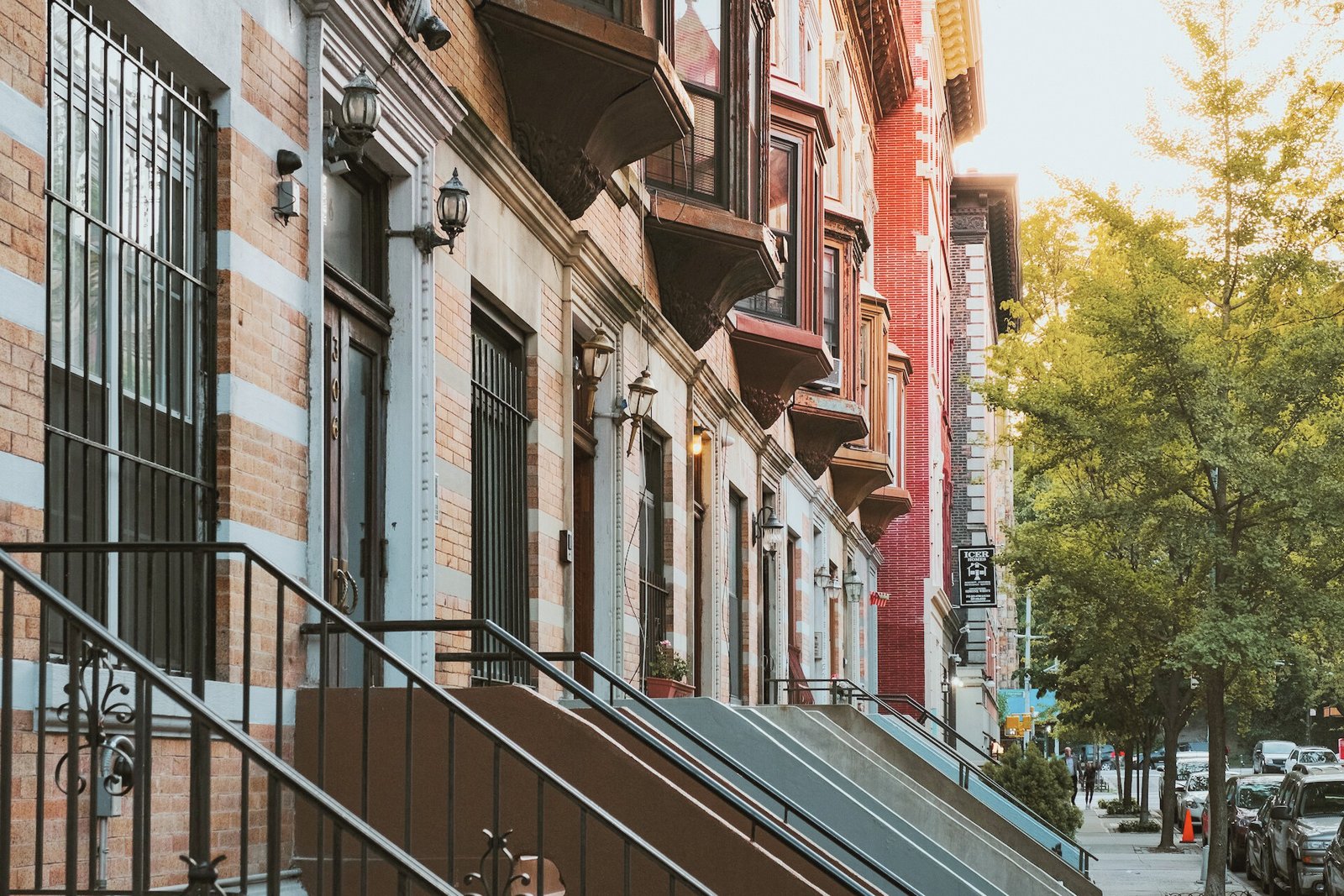
Why it works: tree-lined blocks, brownstones, less noise, very walkable during the day.
Tradeoff: fewer late-night crowds and fewer busy intersections after dark.
Best for: daytime strolls, photography, travelers who like quieter areas.
Zone 4: Quieter pockets best for daytime exploring
Some corners of Harlem feel almost small-town calm during the day.
Why it works: slower pace, local shops, less traffic, more residential feel.
Tradeoff: not ideal for late-night wandering.
Best for: mornings, casual walks, grabbing coffee, seeing everyday Harlem.
The local rule that makes Harlem feel easy
If a street has:
• open shops
• people walking
• subway entrances nearby
• traffic moving
…it usually feels comfortable.
When streets go empty late at night, we head back toward a main avenue or hop on transit.
 Safety by Time of Day in Harlem
In Harlem, time of day matters more than anything else.
Morning and daytime
This is when the neighborhood feels the easiest.
Sidewalks are full. People going to work. Parents with kids. Stores open early. Food places already busy before lunch.
It feels like a normal part of Manhattan, not a place to worry about.
Most visitors who explore Harlem during the day feel completely comfortable.
Late afternoon and evening
Around dinner time, the main streets stay active.
You’ll see people heading to restaurants, meeting friends, walking to subway stations, lining up for shows. There’s still noise, movement, and plenty of life on the avenues.
This is when Harlem feels lively, not quiet.
Late at night
After a certain hour, some blocks calm down fast.
Main streets usually still have a bit of traffic. Smaller side streets can get empty. That’s when we personally stick closer to busy avenues or just take the subway instead of wandering.
It’s not about danger. It’s about activity.
Busy feels comfortable. Empty feels less so.
The real local takeaway
Daytime is easy.
Evenings on main streets feel fine.
Late nights are better kept simple and direct.
That one mindset makes Harlem feel smooth instead of stressful.
 How we check Harlem safety using official NYC data
When we look into questions like is Harlem in New York safe, we don’t rely on old reputation or random stories. We always cross-check what’s happening now using public data from the New York City Police Department.
Instead of focusing on one headline or a single incident, we look at:
• long-term trends by precinct
• whether crime is rising or falling overall
• how Harlem compares to other busy Manhattan areas
What consistently shows up is that Harlem today looks like a typical New York neighborhood in terms of city crime patterns, not an outlier. Some categories go up, some go down year to year (as they do everywhere in NYC), but there’s no sign of Harlem being uniquely dangerous compared to places tourists visit every day.
That’s why the real-world experience on the streets matches what visitors feel: busy areas with regular foot traffic tend to feel comfortable, while quieter blocks late at night simply feel calm rather than unsafe.
The data supports what people notice in real life — Harlem today functions like a normal part of Manhattan, not a high-risk zone.
Harlem safety trends (simplified for travelers)
| Category (recent years) | Harlem | What it means in real life |
|---|---|---|
| Overall crime | Mostly stable with normal NYC ups & downs | No unusual risk compared to other Manhattan areas |
| Violent incidents | Largely steady | Similar patterns to busy city neighborhoods |
| Property theft | Higher around crowded spots | Common in tourist-heavy areas everywhere |
| Long-term change | Dramatically lower than decades ago | Huge improvement from old reputation |
 Harlem for tourists: what’s actually worth doing
🎭 Catch a show at the Apollo Theater
Even if you don’t go inside, walking past the Apollo on 125th Street feels like stepping into music history. On show nights, the whole block comes alive and it’s one of the busiest, easiest parts of Harlem to be in.
Best for: evening plans, first-time visitors, classic Harlem atmosphere
🖼 Explore the Studio Museum in Harlem
Small enough to do in under an hour, but packed with powerful exhibitions that reflect Harlem’s culture and creativity. It’s one of those stops that gives real context to the neighborhood instead of just photos.
Best for: daytime exploring, culture lovers
🌿 Take a break by Harlem Meer
Right at Harlem’s edge, this corner of Central Park feels calmer than the crowded southern areas. Locals jog, families relax, and visitors finally slow down for a moment.
Best for: mornings, relaxing walks, quick nature reset
🏘 Walk the brownstone streets
Some of Harlem’s residential blocks are among the prettiest in Manhattan. Tree-lined sidewalks, historic townhouses, and a totally different pace from Midtown.
Best for: daytime strolls, photos, seeing real NYC life
🍽 Eat where locals actually eat
Harlem has everything from classic soul food spots to modern cafés and brunch places that are packed on weekends. It’s one of the easiest neighborhoods to find good food without tourist pricing.
Best for: lunch stops, casual dinners, neighborhood vibes
The local takeaway
Harlem isn’t just “safe enough to visit.”
It’s a neighborhood with real culture, music, food, and streets worth exploring — especially during the day and early evening.
 Getting to Harlem
From Midtown Manhattan and around Times Square, Harlem is usually a quick ride uptown. Most visitors use direct subway routes to busy stations and walk a few blocks from there.
The simplest ways travelers go:
• Direct subway rides into Harlem’s main avenues (fast and busy most of the day)
• Short taxi or rideshare trips in the evening when streets quiet down
• Walking from nearby Upper Manhattan neighborhoods during the daytime
Local tip: direct routes feel smoother than transferring late at night.
👉 Check reliable car service options here
 Harlem safety tips that actually help visitors
These are the same habits we use ourselves in Harlem. Nothing dramatic. Just what works.
- Stick to streets with life
Open shops, people walking, traffic moving. If a block feels empty late, we don’t force it — we turn back to a busier street. - Use the subway where others are using it
Busy stations feel easier than quiet ones, especially in the evening. If a station looks empty late at night, we’ll take the next one or use a ride. - Don’t walk long distances late just to “save time”
Locals don’t do that either. A short subway ride or a quick Uber is often the simpler option. - Keep phones away on quiet blocks
Not because Harlem is special — because it’s New York. We check directions before we walk, not while standing on an empty corner. - Know where you’re going before you go
Having a place in mind (restaurant, show, café) makes moving around feel natural instead of aimless. - Trust the feel of the street
If something feels off, it usually just means the block is too quiet. Move one avenue over and the vibe changes. - Daytime is easy mode
Walking, photos, food, exploring — this is when Harlem feels most relaxed and welcoming.
The simple rule
Busy feels comfortable.
Quiet late at night feels less so.
That rule works in Harlem the same way it works in the rest of New York.
 Common Myths About Harlem Safety
A lot of what people believe about Harlem comes from stories that are decades old.
Most of it doesn’t match what you see today.
“Harlem is dangerous everywhere”
That’s usually said by people who haven’t been there in years.
During the day the main streets are full. People shopping. Kids coming from school. Cafés busy. Subway entrances crowded. It feels like normal Manhattan life.
“Tourists don’t go to Harlem”
They do — all the time.
Shows on 125th Street, restaurants, walking toward the park, taking photos of the brownstones. It’s part of many visitors’ NYC trip now, not something avoided.
“It’s fine in the day but bad at night”
Evenings on the main avenues are still active.
Dinner crowds. Trains running nonstop. People heading home.
Late at night some blocks get quiet — same as in plenty of other NYC neighborhoods.
“Nothing has changed there”
This is the biggest misunderstanding.
Anyone visiting for the first time after years usually says the same thing:
“I didn’t expect it to feel like this.”
More people living there. More businesses. More life on the streets.
The real picture
Harlem today feels like a real Manhattan neighborhood.
Busy when it’s busy. Calm when it quiets down.
Not perfect.
Not scary either.
 The Easiest Way to Save on NYC’s Must-See Attractions

Instead of buying individual tickets at each attraction, CityPASS bundles several of New York’s most visited sights into one purchase. For travelers who plan to see more than two or three major attractions, this often results in noticeable savings compared to buying tickets separately.
In practice, many visitors end up saving around 40–42%, depending on which attractions they choose.
Attractions Included With New York CityPASS
CityPASS includes admission to five major NYC attractions. Some are fixed, and others are chosen from a list, which gives you flexibility if weather changes your plans.
Commonly included options are:
- Empire State Building Observatory (includes day and night entry)
- American Museum of Natural History
- Top of the Rock Observation Deck
- 9/11 Memorial & Museum
- Statue of Liberty & Ellis Island ferry access
- Circle Line Sightseeing Cruises
- Intrepid Sea, Air & Space Museum
- Guggenheim Museum
This combination works well for first-time visitors and repeat travelers alike, especially if you want a mix of views, museums, and classic NYC landmarks without buying tickets one by one.
Broadway: Not Included, but Still Discounted
Broadway shows are not included in the standard CityPASS attractions list. However, CityPASS holders get access to a separate Broadway booking page that offers discounted Broadway tickets. You still pay for the show, but pricing is often lower than standard box office rates, with fees shown clearly before checkout.
👉 Learn more about New York CityPASS here: https://www.citypass.com/new-york
👉 Broadway ticket deals for CityPASS holders: https://broadway.citypass.com/new-york
 Harlem vs other NYC neighborhoods
People often compare Harlem with other parts of New York City.
In everyday travel experience, it lines up closely with many popular areas.
| Neighborhood | How it feels for visitors | What stands out |
|---|---|---|
| Harlem | Lively by day, active on main streets in the evening, calmer late | Local vibe, culture, wide busy avenues |
| Midtown Manhattan | Constant crowds, loud, very tourist-heavy | Always busy, less quiet time |
| Brooklyn | Neighborhood feel mixed with busy zones | Trendy areas plus calm residential blocks |
| Queens | Lived-in, relaxed, activity around main streets | Very local feel with busy hubs |
| The Bronx | Block-by-block changes, busy centers feel comfortable | Strong local life, quieter pockets |
Harlem doesn’t behave like a “danger zone.”
It feels similar to many normal NYC neighborhoods where activity level matters more than the name on the map.
 What travelers really say about safety in Harlem
Before going, most people expect Harlem to feel rough.
What they usually notice instead is how busy and normal the main streets feel, especially around subway stops and popular areas.
Most comments mention that daytime feels completely fine, while quieter blocks late at night are when it feels calmer.
“It felt busy and normal — nothing like what I imagined.”
Many visitors say Harlem feels like a real neighborhood, not a dangerous zone.
“We walked around 125th Street, grabbed food, and took the subway back at night. It was full of people and totally fine.”
Others point out how different it feels from the old reputation.
“I was nervous before going, but once we got there it felt just like other parts of Manhattan.”
Some travelers mention timing more than location.
“During the day it felt easy to walk around. At night we just stuck to the main streets and had no issues.”
What most visitors notice
Main streets feel busy and normal. Daytime feels easy.
Late at night, quieter blocks feel calm, so people stick to busier areas.
For most visitors to Harlem, the reality is very different from the old reputation.
❓Frequently Asked Questions
Is Harlem in New York safe for first-time visitors?
Most first-timers are surprised how normal it feels. Busy streets, people everywhere, nothing like the old stories.
Is it okay to walk around during the day?
Yes. Daytime is when Harlem feels easiest — lots of movement, shops open, people out.
What about at night?
Early evening is still active on main streets. Late at night some blocks go quiet, so most people stick to busy areas or take the train.
Where do tourists usually feel most comfortable in Harlem?
Around 125th Street and along the main avenues. West Harlem is popular in the daytime.
Is it a good place to stay?
If you’re close to a subway stop and a street with life on it, yes — many visitors actually prefer it to crowded Midtown.
Final Thoughts ?
So, is Harlem in New York safe?
For most people visiting today, yes.
During the day it’s busy and easy to walk around. In the evening the main streets still have life. Late at night some blocks get quiet, so most people stay near active areas or use the subway.
What surprises visitors most isn’t safety — it’s how normal Harlem feels. People live here, eat here, go to work here. It’s not a tourist zone, but it’s not a place to avoid either.
For many travelers, that local feel ends up being one of the best parts of the trip.
❤️ Support Our NYC Travel Guides
We run this site to help travelers move around New York with less stress and better local tips — from subway routes to neighborhood guides and real-life advice. If our guides save you time or help you plan a smoother trip, you can support our work through Patreon. Your support helps us keep guides updated and share honest NYC travel tips without cluttering the site with ads.
Support us on Patreon




0 Comments