








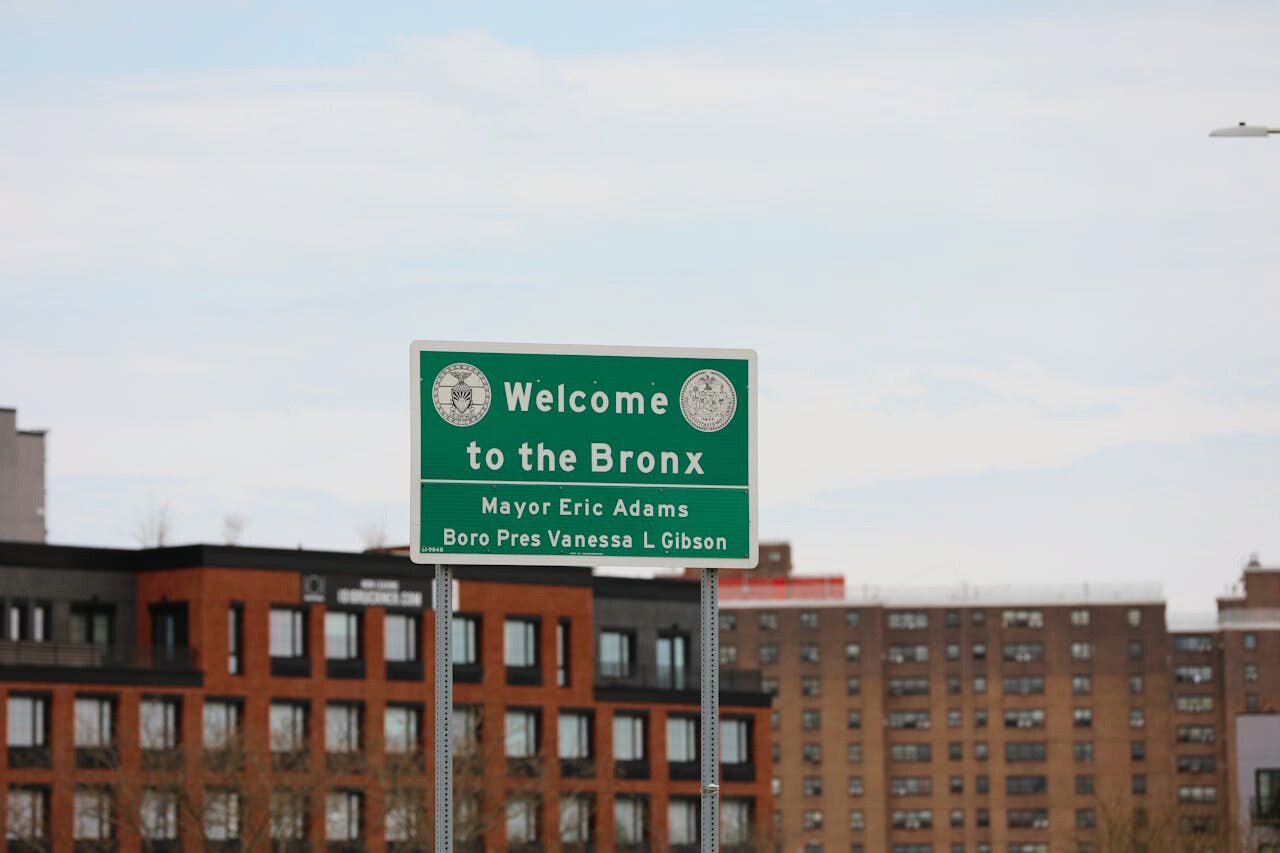
Is the Bronx safe in New York City? Yes — the Bronx is safe for tourists when you stick to well-trafficked streets, stay close to major subway stops, and plan your return route at night. Most “unsafe” moments come from being on the wrong block at the wrong hour, not from visiting the Bronx itself.
The Bronx isn’t one vibe. It’s parks and waterfronts, tight-knit neighborhoods, stadium crowds, and a few pockets that feel rougher late at night. So we’re going to answer this the way locals actually do it: by zones, by subway access, and by what your evening plans look like.
 The Bronx safety map tourists actually need
Think of the Bronx in zones. This is the “mental map” we use when friends visit.
Zone 1: Riverdale + Fieldston (quietest feel, residential, less “touristy”)
Riverdale, Fieldston
Why it works: calm streets, family vibe, fewer nightlife chaos moments.
Tradeoff: you’ll rely more on buses/Metro-North or longer subway rides.
Best for: families, longer stays, travelers who want “sleep-first” quiet.
Zone 2: The “park corridor” (big attractions, busy in the day)
Bronx Zoo + New York Botanical Garden area (Bronx Park)
This zone is where many tourists go — and it feels that way: families, groups, daytime energy.
- Bronx Zoo (major tourist draw)
- New York Botanical Garden main entrance info
Best for: daytime trips, families, nature lovers.
Late tip: plan your return so you’re not wandering side streets far from main entrances at very late hours.
Zone 3: Yankee Stadium + the “stadium bubble” (safe when it’s active)
Concourse/161st Street area (game days + event times)
When there’s a game or event, the area is packed and heavily trafficked. After it empties out late, the vibe can change fast.
Best for: games, quick visits, staying only if your hotel is very close to a busy station and you’re comfortable with city grit.
Zone 4: East Bronx waterfront and calmer pockets
City Island, Pelham Bay / Country Club area
More “neighborhood / waterfront day” energy than “big city chaos.”
Best for: seafood day trip, waterfront walk, a different NYC feel.
Late tip: it’s not “dangerous,” it’s just quieter — plan transportation so you’re not stuck waiting alone.
Zone 5: South Bronx (block-by-block, choose routes carefully at night)
Mott Haven and nearby areas
This is where the Bronx can feel most mixed. Some blocks are fine, some feel uncomfortable late, especially if you wander away from active avenues.
Best for: specific plans (a venue, a restaurant, an event) — not random “let’s explore without a plan” at midnight.
 Best places to stay in the Bronx (if you really want to base here)
Most tourists don’t need a Bronx hotel. But if you do — here’s how to choose smart.
Riverdale: calm base, not a tourist hub
Why travelers feel comfortable: quieter streets, more residential patterns.
Watch-outs: longer commute to Midtown, fewer “late-night fallback” options.
Near Yankee Stadium (ONLY if you pick the right few blocks)
Works when: you’re within a short, direct walk of a major station and you’re not doing long late-night detours.
The rule that actually answers “is the Bronx safe”
The Bronx feels safe when your walk is short, well-lit, and on active streets — especially late at night. That matters more than broad borough labels.
Why most tourists don’t base themselves in the Bronx
One practical reason fewer visitors stay overnight in The Bronx is simple: it has far fewer hotels than other parts of New York City.
🏨 Hotel supply by borough (pre-pandemic data)
According to official NYC hotel market reporting:
📍 Manhattan contains the vast majority of hotel rooms — around 73–81 % of all NYC hotel rooms before 2020.
📍 Queens accounts for about 11–15 % of hotel rooms.
📍 Brooklyn has around 6–9 % of rooms.
📍 The Bronx has a very small share — roughly around 1–2 % of hotel rooms.
📍 Staten Island also has about 1–2 % of rooms.
To put that into perspective:
| Borough | Approximate share of NYC hotel rooms |
|---|---|
| Manhattan | ~70–80 % |
| Queens | ~11–15 % |
| Brooklyn | ~6–9 % |
| Bronx | ~1–2 % |
| Staten Island | ~1–2 % |
(Based on hotel room distributions prior to 2020, but the relative proportions remain informative today.) (New York City Government)
 Where it can feel sketchy at night
When visitors say “the Bronx felt unsafe,” it’s usually one of these situations:
Big transit hubs late night
Busy stations can shift after midnight: fewer families, more loitering, more unpredictability. Keep your route simple, phone away, and go straight to your destination.
Empty industrial edges
Some blocks feel normal in the afternoon and eerie at 1 a.m. At night, stay on streets with open businesses and steady foot traffic.
Wandering without a purpose in the South Bronx late
This is the biggest “tourist mistake”: exploring side streets late with no destination. The Bronx is not Disneyland — plan the stop you want, go there, then head back.
 How we check “is the Bronx safe” using official data
We don’t guess — we verify.
- The NYPD publishes weekly CompStat reports and also has CompStat 2.0 with an incident map you can zoom around a specific address.
- The Bronx CompStat PDF is updated weekly and shows borough-level trends.
Quick method (tourist-friendly):
- Pick your hotel address (or the exact attraction entrance).
- Check the area in CompStat 2.0’s incident map.
- If you see clusters right on your route from station to hotel, change the block, not necessarily the whole neighborhood.
That’s the NYC rule: a few blocks can change the vibe.
 The Bronx for tourists: what’s actually worth doing
If your plan is “Is it safe enough to visit for the best spots?” — yes. These are classic Bronx days:
- Bronx Zoo — huge, family-friendly, one of the best zoos in the US.
- New York Botanical Garden — especially great in spring/fall.
- A game at Yankee Stadium — easiest “Bronx night” experience because crowds create safety.
- Arthur Avenue (Bronx Little Italy) — go hungry, leave happy. (We’ll build a dedicated Arthur Ave food mini-guide inside the post if you want.)
 Getting to the Bronx (the stress-free way)
From Midtown and Times Square, the Bronx is quick and straightforward if you keep routes simple.
Best subway lines for visitors
- 4 train – fastest to Yankee Stadium and central Bronx
- B & D trains – great for Grand Concourse area
- 2 & 5 trains – connect Midtown with South Bronx
- 6 train – serves the eastern Bronx
Tip: choose direct lines when possible and avoid late-night transfers.
Metro-North for Riverdale
For Riverdale and the northwest Bronx, Metro-North from Grand Central is the calmest option — about 25 minutes, clean and easy.
Taxis & ride services
Yellow cabs, Uber, and Lyft are widely available throughout the Bronx and are often the easiest option late at night or when traveling with luggage.
If you prefer booking ahead or want a fixed price, we recommend using a trusted NYC car service — it’s stress-free, door-to-door, and especially convenient for airport days or late returns.
👉 Check reliable car service options here
 Tips for Staying Safe In the Bronx
Staying safe in the Bronx isn’t about fear or avoiding entire neighborhoods — it’s about how you move, when you move, and which few blocks you choose. Most tourists who have a good experience follow the same simple patterns locals do.
Stay close to activity, not just an address
In the Bronx, street activity matters more than the neighborhood name. Areas near busy subway stations, attractions, restaurants, and main avenues feel more comfortable because there are always people around.
If a street feels active and lived-in, it usually is. If it feels empty and isolated late at night, it’s better to avoid it — even if the area looks fine during the day.
Keep nighttime walks short and direct
The Bronx feels safest when your walk home is:
- short
- well-lit
- on a main street
Late at night, long wandering walks through quiet side streets are what make visitors uneasy. Plan your route so you exit the subway close to your destination and go straight there.
This one habit alone prevents most uncomfortable situations.
Use simple, predictable transit routes
When traveling in the evening:
- choose routes with fewer transfers
- stick to major subway stations
- avoid unnecessary detours
The “fastest” route isn’t always the best one. Simple and busy beats complicated and quiet, especially late at night.
Daytime visits are straightforward and relaxed
During the day, the Bronx is busy with:
- families
- commuters
- students
- tourists
Visiting popular spots, parks, museums, and food areas during daylight hours feels no different from other parts of New York City.
Be city-smart, not fearful
You don’t need special Bronx rules — just standard big-city awareness:
- keep your phone secure
- don’t flash valuables
- stay aware in crowds
- trust your instincts
If a block feels off, don’t overthink it — change direction and move on.
Know when the vibe changes
Some areas feel very different depending on time:
- around stadiums after events end
- near major transit hubs very late at night
- in quieter residential or industrial pockets
This doesn’t mean danger — it just means fewer people around. Adjust your timing or route and you’ll feel more comfortable.
Visiting vs staying: what matters most
The Bronx is great to visit and safe for tourists when you stick to active areas and planned destinations.
Staying overnight can also work, but it’s best when:
- your hotel is very close to a major subway station
- your walk home is short and straightforward
- you’re comfortable navigating NYC transit
For many first-time visitors, the Bronx works best as a day-trip borough, while others enjoy it as a quieter base with the right location.
The rule locals actually use
Busy streets, short walks, and simple routes matter more than crime headlines or borough reputations.
Try not to walk alone late at night when you can avoid it. Traveling with a friend or group feels more comfortable and draws less attention. Use busy subway lines or taxis in the evening, and wait in well-lit, active areas rather than quiet corners. Staying around bright, crowded streets makes a big difference.
 The Easiest Way to Save on NYC’s Must-See Attractions

Instead of buying individual tickets at each attraction, CityPASS bundles several of New York’s most visited sights into one purchase. For travelers who plan to see more than two or three major attractions, this often results in noticeable savings compared to buying tickets separately.
In practice, many visitors end up saving around 40–42%, depending on which attractions they choose.
Attractions Included With New York CityPASS
CityPASS includes admission to five major NYC attractions. Some are fixed, and others are chosen from a list, which gives you flexibility if weather changes your plans.
Commonly included options are:
- Empire State Building Observatory (includes day and night entry)
- American Museum of Natural History
- Top of the Rock Observation Deck
- 9/11 Memorial & Museum
- Statue of Liberty & Ellis Island ferry access
- Circle Line Sightseeing Cruises
- Intrepid Sea, Air & Space Museum
- Guggenheim Museum
This combination works well for first-time visitors and repeat travelers alike, especially if you want a mix of views, museums, and classic NYC landmarks without buying tickets one by one.
Broadway: Not Included, but Still Discounted
Broadway shows are not included in the standard CityPASS attractions list. However, CityPASS holders get access to a separate Broadway booking page that offers discounted Broadway tickets. You still pay for the show, but pricing is often lower than standard box office rates, with fees shown clearly before checkout.
👉 Learn more about New York CityPASS here: https://www.citypass.com/new-york
👉 Broadway ticket deals for CityPASS holders: https://broadway.citypass.com/new-york
 Bronx vs Queens vs Brooklyn: which feels safest for most tourists?
When travelers ask “Is the Bronx safe?” they’re usually comparing it with Queens and Brooklyn — the three boroughs most tourists consider outside Manhattan.
Here’s the big-picture safety context using recent NYPD trend data and city crime rates (borough-wide averages).
Important: these figures cover entire boroughs — including industrial zones and residential areas tourists never visit. Busy tourist corridors are typically much safer than borough averages suggest.
📊 Crime rates per 1,000 residents (borough-wide averages)
| Borough | Violent crime rate | Property crime rate | General tourist experience |
|---|---|---|---|
| Queens | ~3 per 1,000 | ~14 per 1,000 | Calm, predictable, very popular with visitors |
| Brooklyn | ~6–7 per 1,000 | ~18 per 1,000 | Very safe in tourist hubs, mixed elsewhere |
| The Bronx | ~10 per 1,000 | ~32 per 1,000 | Safe to visit, more block-by-block sensitive |
What these numbers mean in real travel terms
Queens – lowest risk overall for visitors
Queens consistently reports the lowest violent crime rate of the three.
Combined with busy subway hubs and dense hotel districts, it’s why many first-time NYC travelers feel most comfortable staying there.
Brooklyn – very safe where tourists go
Brooklyn’s borough-wide average is higher than Queens, but major visitor areas (Williamsburg, Brooklyn Heights, Downtown Brooklyn) are among the safest-feeling parts of NYC.
Most tourists experience Brooklyn as lively and comfortable.
The Bronx – higher averages, but tourist areas are not high-risk zones
The Bronx does show higher borough-wide rates — mainly driven by pockets far from tourist routes.
However:
• The Bronx Zoo area
• Botanical Garden corridor
• Yankee Stadium event zone
• Arthur Avenue food district
are busy, well-traveled, and heavily visited with very few tourist incidents.
For visitors, route choice matters more than borough averages.
 What travelers really say about safety in the Bronx
Before visiting, most people look for real experiences — not crime charts. Across traveler discussions, the Bronx is often described as busy and normal in main areas, especially near attractions and major subway stations.
Most comments say it feels fine during the day, with quieter streets at night being the only time it can feel uncomfortable.
“It felt busy and normal — not scary like I expected”
Many visitors say the Bronx felt far more everyday and active than online headlines made them expect — especially around major attractions and subway hubs.
“We went to the Bronx Zoo and walked around the area after. It was busy, families everywhere, totally fine. I was nervous for no reason.”
Tourist-heavy spots are often described as lively and comfortable, not intimidating.
“Main streets felt fine, quiet blocks just felt empty”
A common theme across traveler discussions is that safety comes down to where you walk:
“Staying near the subway and main roads felt normal. The only time it felt weird was wandering onto really quiet side streets late at night.”
Most discomfort stories aren’t about crime — they’re about streets going quiet after dark.
“We spent half a day in the Bronx for food and the botanical garden. Never once felt unsafe. Just like any other part of NYC.”
Daytime visits around attractions are consistently described as smooth and stress-free.
“Loved visiting for food and attractions, but I was glad our hotel was in Queens.”
Many travelers enjoy the Bronx as a day-trip borough but prefer sleeping in Queens, Brooklyn, or Manhattan for simplicity.
A few visitors reference late-night incidents on quiet streets — usually involving people walking alone far from busy areas or major subway hubs. These aren’t in tourist zones, but they’re a reminder that timing and route choice matter.
❓Frequently Asked Questions
Is it okay to visit the Bronx during the day?
Yes — most people have no issues at all when they’re around attractions, busy streets, and main subway stops.
What about walking around at night?
Main roads feel fine, but quiet side streets can feel empty late. That’s usually when visitors head back by subway or grab a cab.
Do people actually stay in the Bronx or just come for the day?
Some do stay, but a lot of travelers treat it as a day trip and sleep in Queens or Manhattan instead.
Where do visitors feel most comfortable?
Around the zoo, stadium area during events, and streets close to major stations where there’s always activity.
Is it rough compared to other parts of NYC?
Some parts are, some aren’t — just like anywhere in the city. Tourist areas tend to be much calmer than the borough averages.
Is the subway okay to use there?
Yes. Stick to busy lines and bigger stations, especially in the evening, and it feels no different than elsewhere in NYC.
Final Thoughts ?
If you stick to the busy parts of the Bronx, it usually feels just fine. Most visitors spend their time around attractions, main streets, and subway stops — and that’s where the borough feels alive and comfortable.
It’s an easy place to explore during the day, and for many people it works better as a place to visit than a place to sleep.
Go with a plan, move like locals do, and the Bronx is likely to surprise you in a good way.
❤️ Support Our NYC Travel Guides
We run this site to help travelers move around New York with less stress and better local tips — from subway routes to neighborhood guides and real-life advice. If our guides save you time or help you plan a smoother trip, you can support our work through Patreon. Your support helps us keep guides updated and share honest NYC travel tips without cluttering the site with ads.
Support us on Patreon




0 Comments