









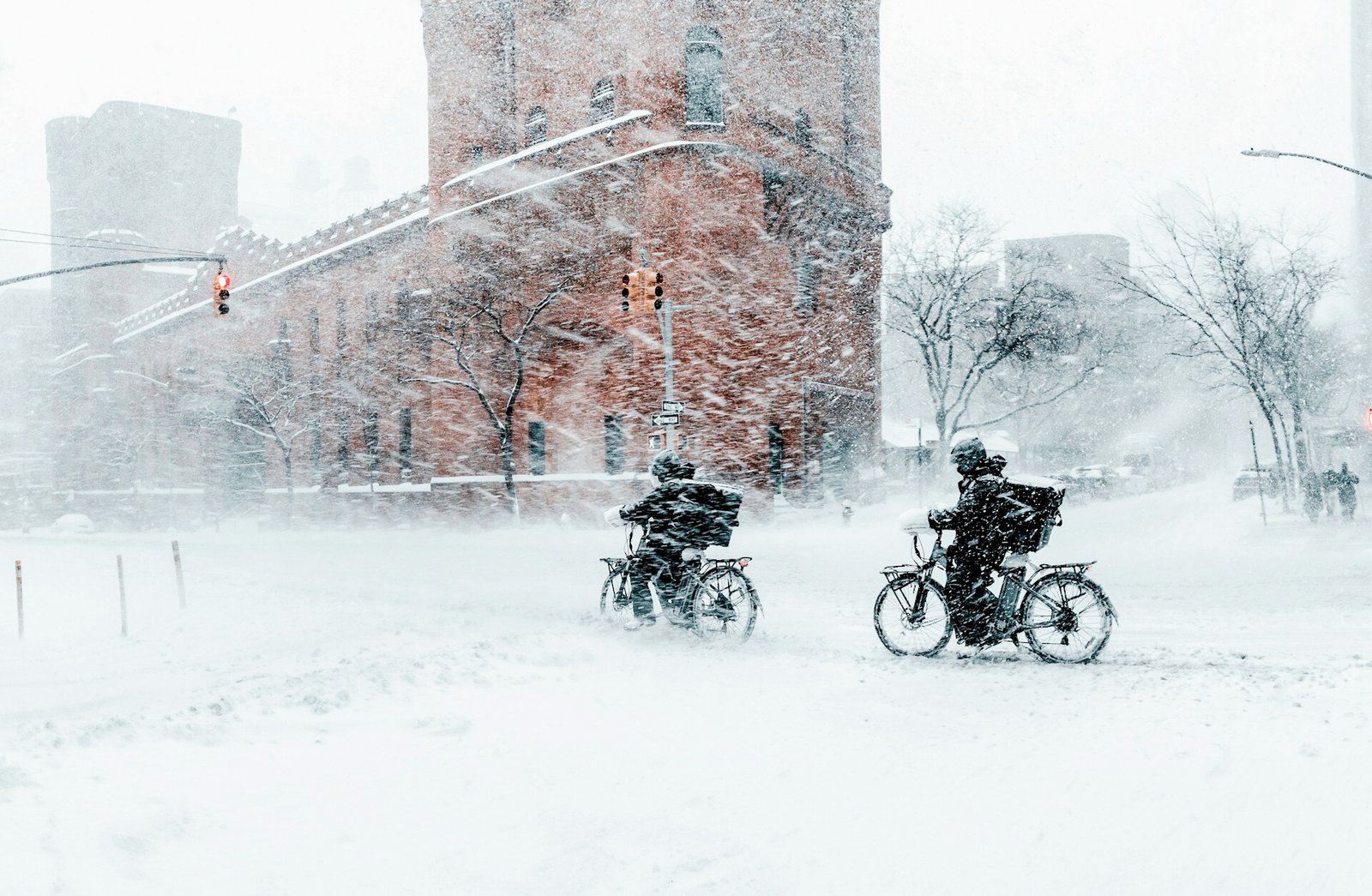
New York City changes when it snows. The noise drops first. Then the pace. Streets that usually rush past you begin to ask for attention. Footsteps slow. Corners glow a little softer under streetlights. Even people who have lived here forever glance up, just to check how much has fallen.
Most winters bring a few quiet moments like this. A light snowfall, a calm morning, a walk through the park before the city shakes itself awake. Snow in New York can be beautiful, familiar, even comforting.
And then there are the storms that go further.
These are the snowfalls that reshape the city, if only for a day or two. Sidewalks rise into drifts. Travel plans unravel. The city’s confidence gives way to patience. What remains is a rare stillness, the kind that makes New York feel smaller, closer, almost intimate.
For generations, these moments have been measured in Central Park, where snowfall has been recorded year after year, winter after winter. The numbers tell us how much snow fell, but they don’t explain why people still talk about these storms long after the streets are cleared.
Before we step into each one, it helps to see them together — not just as records, but as moments when New York became something else, briefly and memorably.
| Rank | Storm Dates | Year | Snow (in) | Snow (cm) | Why It Mattered |
|---|---|---|---|---|---|
| 1 | Mar 12–14 | 1888 | 21.0 | 53.3 | Changed the city |
| 2 | Jan 22–24 | 1935 | 18.1 | 46.0 | City halted |
| 3 | Dec 26–27 | 1947 | 26.4 | 67.1 | Holiday shutdown |
| 4 | Feb 5–7 | 1978 | 17.7 | 45.0 | Streets impassable |
| 5 | Jan 7–8 | 1996 | 20.2 | 51.3 | Travel frozen |
| 6 | Feb 16–17 | 2003 | 19.8 | 50.3 | Transit crippled |
| 7 | Feb 11–12 | 2006 | 26.9 | 68.3 | Record at time |
| 8 | Feb 25–26 | 2010 | 20.9 | 53.1 | Slow recovery |
| 9 | Dec 26–27 | 2010 | 20.0 | 50.8 | Holiday disruption |
| 10 | Jan 22–24 | 2016 | 27.5 | 69.9 | All time record |
 NYC’s Biggest Snowstorms: How we’re ranking them
When people argue about “how much snow NYC got,” they’re usually mixing three different things:
- Official snowfall (measured at one location, consistently)
- Neighborhood reality (Queens can look different from Soho)
- Snowdrifts (wind piles snow into ridiculous walls that don’t count as “snowfall”)
For a clean, apples-to-apples list, we’re using the National Weather Service New York office table of the biggest Central Park snowstorms (1869 to present).
 NYC’s Biggest Snowstorms
The Great Blizzard of 1888 (March 12–14, 1888)
21.0 inches (53.3 cm)
If New York has a winter legend, this is it. The Great Blizzard of 1888 did more than dump snow. It exposed how vulnerable the city was when movement depended on above ground systems. Trains stalled. Telegraph lines failed. Whole neighborhoods felt cut off.
The most important thing for modern travelers is the lesson New York took from it: the city learned to protect its lifelines. That push to move critical infrastructure underground is part of why subways, utilities, and the city’s winter playbook look the way they do today.
Travel takeaway: big storms don’t just change plans, they change the city’s mood. If you’re visiting and a major snowstorm is forecast, plan for a tighter radius. Pick one neighborhood, keep your days simple, and let New York come to you.
Snow day that still feels like New York: a short walk when it’s safe, then a long indoor afternoon. Think museum, then a warm meal, then an early night. In 1888, being “stuck” wasn’t cute. Today, it can be.
January Snowstorm of 1935 (January 22–24, 1935)
18.1 inches (46.0 cm)
Nearly 18 inches in Central Park in 1935 meant something different than nearly 18 inches now. Snow removal was slower, equipment was limited, and city routines were easier to interrupt. This storm sits high on the official list because it reflects a time when New York had fewer ways to keep the machine running.
For visitors, the value of this storm in the story is simple: it reminds us that NYC’s winter toughness is partly modern infrastructure. In earlier decades, heavy snow was a bigger event because the city had fewer options.
Travel takeaway: if you’re planning a winter trip, your hotel location matters more than your itinerary. Staying in a walkable core is the difference between “we can still do New York” and “we’re stuck in transit.”
The Christmas Blizzard (December 26–27, 1947)
26.4 inches (67.1 cm)
A storm right after Christmas hits different. Travelers are already moving. Restaurants are full. Hotels are booked. Airports are stressed. Then the snow piles up fast.
That’s why this storm still feels iconic: it dropped over two feet in Central Park and hit during the exact window when visitors want New York at its most festive.
Travel takeaway: holiday week in NYC is magical, but it’s also the most fragile travel week. If you’re doing Christmas to New Year in Manhattan, build a buffer day on the back end if you can. The snow doesn’t have to ruin your trip, but it can absolutely ruin your departure.
if your winter itinerary includes paid attractions, a flexible attraction pass can help you pivot to indoor options when weather turns. Use your pass day for museums and indoor sights when streets are messy, and save outdoor views for clearer weather.
The Blizzard of 1978 (February 5–7, 1978)
17.7 inches (45.0 cm)
This storm is a reminder that snowfall totals don’t tell the whole story. Wind can turn a normal block into a face full of snow, and it can create drifts that feel way bigger than the official number. Central Park recorded 17.7 inches, but the lived experience in a windy city can feel harsher.
Travel takeaway: when wind is part of the forecast, plan your day like a local. You don’t “sightsee harder,” you pick a few stops close together and move like you mean it. Wind plus snow is what turns a ten minute walk into a miserable one.
The Blizzard of 1996 (January 7–8, 1996)
20.2 inches (51.3 cm)
For a lot of New Yorkers, 1996 is the modern benchmark. Over 20 inches in Central Park, big regional disruption, and a clear reminder that even a city built on movement can be slowed when the entire Northeast gets hit at once.
Travel takeaway: storms that hit the whole region are the hardest for tourists because you can’t just “go around it.” If you’re flying into NYC, your flight depends on aircraft and crew positions across multiple airports, not just JFK or Newark.
Practical tip we always follow: if you arrive before a storm, do your essentials early. Grab breakfast items, snacks, and anything you might need for a cozy day inside. Not panic buying. Just sensible travel prep.
Presidents’ Day Snowstorm (February 16–17, 2003)
19.8 inches (50.3 cm)
A holiday weekend storm is a perfect recipe for travel chaos. Almost 20 inches in Central Park on a weekend when visitors are already flowing in means transit stress, long lines, and a city that feels slower than usual.
Travel takeaway: if you’re visiting NYC during winter weekends, your best defense is flexibility. Pre book your core plans, but keep your schedule loose enough to swap days. Indoor and outdoor activities should be interchangeable.
if your schedule is tight and you need airport reliability, pre booking a private transfer can be the calmest move when taxis are scarce and app prices surge. This is one of the few times paying for certainty can be worth it.
The Record Setter (February 11–12, 2006)
26.9 inches (68.3 cm)
For years, this was the big one. 26.9 inches in Central Park is the kind of number that turns New York into a snow globe and turns sidewalks into a workout.
Here’s what tourists often miss: streets get cleared faster than sidewalks. Avenues may look normal while corners are still slushy, and side streets stay icy longer. The city’s “main arteries first” strategy is great for emergency access, but it can make walking feel unexpectedly rough.
Travel takeaway: dress for sidewalks, not photos. Waterproof boots with grip change everything. The wrong footwear is the number one reason visitors hate a snow day in New York.
February Snowstorm (February 25–26, 2010)
20.9 inches (53.1 cm)
This storm is the slush story. Heavy snow can melt into a wet mess at street level, and that’s when the city feels harder to navigate. 20.9 inches is huge, but the real challenge for visitors is what happens afterward: puddles at corners, slick steps, and slower recovery.
Travel takeaway: if temps hover around freezing, assume you’ll deal with wet sidewalks. Plan fewer long walks. Build more indoor time. Choose a neighborhood where everything you want is close.
Boxing Day Blizzard (December 26–27, 2010)
20.0 inches (50.8 cm)
This is one of those storms that tourists still bring up because it happened at the worst possible time. Right after Christmas, with 20.0 inches recorded in Central Park, travel disruptions and cleanup challenges became the story.
Travel takeaway: if your trip ends during the holiday window, do not schedule a tight airport day. Give yourself room. The city may recover quickly, but airports and roads often lag behind.
The All Time Central Park Record (January 22–24, 2016)
27.5 inches (69.9 cm)
This is the top of the official list: 27.5 inches in Central Park, the largest snowstorm there since records began in 1869.
This storm showed the full modern response: travel restrictions, widespread closures, and a city that temporarily prioritized safety over movement. It was disruptive, but it also produced the kind of New York scenes people remember forever, empty avenues, silent parks, and that rare feeling that the city belongs to whoever is brave enough to step outside responsibly.
Travel takeaway: if a major storm is forecast, treat your hotel like a basecamp. Stay in a central, walkable area, keep food options close, and build your day around one or two indoor anchors. When the city reopens, you’ll be ready.
Winter trips are when travel insurance actually earns its keep. If your flight home matters, protecting the itinerary is a practical decision, not a dramatic one.
 What Happens to NYC During a Major Snowstorm
NYC doesn’t fail all at once. It slows in layers.
First, the surface gets complicated. Buses struggle because they share lanes with cars, and snow plus traffic is a bad partnership. Bridges and highways can become chokepoints. Taxis get scarce. Rideshare prices jump. Even when the city is functioning, it feels less predictable.
Meanwhile, the subway often becomes the most reliable way to move, especially on fully underground lines. That’s why locals lean on it. It’s not perfect, but it’s the backbone.
Then there’s the part tourists notice most: sidewalks. New York is a walking city until it isn’t. Corners are where slush collects. Side streets take longer. Steps into stations and storefronts turn slick. A day that looks fine from the hotel window can feel like an obstacle course two blocks later.
Our best NYC rule in a storm is simple: reduce your radius. The city becomes more enjoyable when you stop trying to conquer it.
 Can You Still Visit NYC During a Blizzard?
Yes, and sometimes it’s unforgettable, but only if your trip can bend.
A snowstorm trip works well when you:
It works poorly when you:
If you’re visiting during winter, we plan with two versions of the day: the clear weather version and the snow version. When the forecast changes, we simply choose the other version.
That’s how you stay calm in a city that doesn’t like to be told what to do by the weather.
 What Travelers Notice During NYC Snowstorms
Many visitors are surprised by how quiet New York becomes after fresh snowfall. Not empty, just softer. Traffic thins out. Footsteps replace engines. Even busy areas feel less rushed for a few hours.
People often mention that early mornings feel different. Streets are cleaner. Sidewalks are still packed down. The city feels more approachable before the slush and noise return.
Several travelers notice that snow changes how far they want to go, not what they want to see. Short walks feel better than long ones. One neighborhood feels like enough for a day.
There’s also a common realization that indoor moments matter more during snow. A long lunch, a museum visit, a warm café window can define the day more than ticking off landmarks.
Many visitors say they remember the stillness more than the snowfall itself. The way familiar streets looked unfamiliar. The pause. The sense that the city slowed just long enough to notice it.
And almost everyone agrees on one thing: the experience is better when plans are flexible. Snow in New York rewards patience. It punishes urgency.
 What Closes First During NYC Snowstorms
Tourists usually ask the same question in different words: what’s actually going to shut down?
Here’s the real order most visitors feel:
Airports get hit early. Cancellations and delays ripple, even if Manhattan looks fine. The airline network is regional, so one airport’s issues spread quickly.
Buses become unreliable. They share roads with everyone. Snow makes the road slower, then traffic makes it worse.
Road access tightens. Bridges and highways can slow dramatically, and sometimes restrictions appear to reduce accidents and keep emergency routes open.
Attractions vary. Indoor attractions often reopen quickly. Outdoor views depend on wind, visibility, and safety. Some places choose to close simply because staffing becomes difficult.
This is also where we place the “protect the trip” tools:
- If you need certainty getting to the airport, a pre booked transfer can be worth it.
- If your itinerary is expensive, travel insurance can protect the investment.
- If you’re doing major attractions, flexible tickets help you shift days without losing money.
 Best Places to Experience Snow in NYC (When It’s Safe)
20.2 inches (51.3 cm)
Snow in New York is at its best when you don’t fight it. You choose the right places and let the city slow down.
Central Park becomes the obvious answer for a reason. The Mall, Bethesda Terrace, and wide paths near popular entrances get packed down faster, which makes walking safer. The trees soften the wind and the city noise fades.
Brooklyn Heights Promenade gives you the skyline with winter drama. It can be windy, so we go on calmer days or we keep it short. The views feel cinematic when snow is still fresh.
Greenwich Village side streets look like a movie set after a storm. The charm is in the small blocks, not the big avenues. If conditions are icy, we stick to streets with steady foot traffic where the path is already packed down.
The key is safety and timing. Right after snowfall ends, you get the best visuals. A day later, you get more slush.
 Worst Mistakes Tourists Make During NYC Snowstorms
The biggest mistake is treating a snow day like a normal day.
We see the same patterns:
- trying to cross the whole city because the itinerary is ambitious
- wearing stylish boots that slide at the first corner puddle
- assuming sidewalks are cleared like streets
- planning a tight airport day right after the storm ends
Snow demands humility. New York rewards people who adapt quickly. When we keep plans simple, we enjoy the city more, spend less energy, and avoid the kind of stress that makes visitors hate winter travel.
The smartest storm day in NYC is not the busiest day. It’s the most comfortable day.
 The Easiest Way to Save on NYC’s Must-See Attractions

Snow in New York usually means more time indoors, which is when attraction tickets start adding up quickly. One option many winter visitors use is New York CityPASS, mainly because it bundles several big-ticket attractions into one purchase and cuts the overall cost.
With CityPASS, you can save up to about 40–42% compared to buying individual tickets at the gate. The exact savings depend on which attractions you choose, but the difference is noticeable if you’re planning to visit more than two or three major sights.
Attractions Included With New York CityPASS
CityPASS includes admission to five major NYC attractions. Some are fixed, and others are chosen from a list, which gives you flexibility if weather changes your plans.
Commonly included options are:
- Empire State Building Observatory (includes day and night entry)
- American Museum of Natural History
- Top of the Rock Observation Deck
- 9/11 Memorial & Museum
- Statue of Liberty & Ellis Island ferry access
- Circle Line Sightseeing Cruises
- Intrepid Sea, Air & Space Museum
- Guggenheim Museum
This mix works especially well on snowy days, when museums and observation decks become the easiest and warmest choices.
Broadway: Not Included, but Still Discounted
Broadway shows are not included in the standard CityPASS attractions list. However, CityPASS holders get access to a separate Broadway booking page that offers discounted Broadway tickets. You still pay for the show, but pricing is often lower than standard box office rates, with fees shown clearly before checkout.
For many visitors, this makes sense on cold or snowy evenings, when sitting inside a theater beats walking long distances in winter weather.
Why CityPASS Makes Sense in Winter
Winter trips are unpredictable. One day is clear, the next is snowy or slushy. CityPASS works well because it lets you stay flexible. You can reorder attractions based on the weather instead of feeling stuck with full-price tickets you already bought.
If your winter itinerary includes several major attractions and possibly a Broadway night CityPASS is one of the simplest ways to save money without overplanning every detail.
👉 Learn more about New York CityPASS here: https://www.citypass.com/new-york
👉 Broadway ticket deals for CityPASS holders: https://broadway.citypass.com/new-york
 How to Plan Flights Around NYC Snowstorms
Air travel is where winter trips break.
Our rule is simple: build buffer.
Flying in the day before a storm is usually easier than flying during or right after. Airlines recover in waves, and those waves depend on runway conditions, aircraft repositioning, and crew schedules. When the region is hit, it’s not just JFK or Newark. It’s the entire map.
We also avoid tight connections and late evening departures in storm windows. Morning flights tend to have the best chance of operating because delays accumulate through the day.
If your return date is non negotiable, that’s when you consider travel insurance or a flexible fare. It’s not glamourous, but it’s smart.
 How Often Do Snowstorms Like This Actually Happen in NYC?
These storms are rare. That’s what makes them famous.
NYC gets snow most winters, but the storms that define history are spread across more than a century. Many winter visits are cold but manageable. You’ll still do museums, shows, neighborhoods, and food. You’ll just do it in a heavier coat.
This matters because tourists sometimes assume New York is constantly buried in snow. It isn’t. The storms on this list are the extreme moments, not the daily reality.
 When Snow in NYC Feels Magical (and When It Doesn’t)
Snow works in New York only for a short window.
Right after it stops, the city feels different. Quieter. Streets look cleaner than they will an hour later. Parks soften. People slow down without talking about it. Early morning is when it’s best. Before the slush. Before the horns come back.
That’s when walking feels easy. Not far. Just enough to notice things. Light in windows. Footsteps. The way familiar blocks look slightly off.
Once the snow turns wet, the spell breaks. Corners flood. Side streets ice over. Walking turns into effort. That’s the moment to go inside and let the city catch up.
Snow in New York isn’t magic all day. It’s about timing.
 A Local Rule for Snow Days in New York
Stay close. Do less.
Pick one neighborhood and let it be enough. A short walk. One place you care about. A meal somewhere warm.
Snow days aren’t meant for full itineraries. The city is slower for a reason. Pushing against that is how trips get frustrating.
When you move with the day instead of through it, snow stops feeling like a problem. It just becomes part of how you remember New York.
 A Simple Snow Day Checklist for NYC
Before you head out, run through this once.
- Waterproof shoes matter more than anything else.
Cold feet ruin the day faster than bad weather. - Plan one main thing, not five.
Snow days are for focus, not bouncing around the map. - Check subway service, not traffic.
Underground usually beats anything on wheels. - Expect corners to be messy.
That’s where snow melts, refreezes, and surprises people. - Eat earlier than usual.
Places fill up faster when fewer options are open. - Have a reason to go inside.
Museum, café, long lunch. Give yourself an exit plan. - Don’t force the photo walk.
If it feels like work, the moment’s already gone.
Snow days in New York are easier when you stop trying to win them. A little preparation goes a long way.
Best Tours to Book During Christmas Week
If you’re in New York during Christmas week, booking a holiday tour is one of the easiest ways to soak in the lights, music, and decorations without stressing about where to go next. These three tours pair perfectly with a visit to the Union Square Holiday Market or any other Christmas plans you already have in the city.
1. New York City Cocoa and Carols Holiday Cruise
⭐ 4.7 (276) | from $134.03 | Free cancellation
A cozy holiday cruise with skyline views, Christmas lights, and live carols while you sip hot cocoa. We like this one in the evening after a market day — you get off your feet, warm up, and still feel like you’re right in the middle of the holiday scene.
👉 Book the New York City Cocoa and Carols Holiday Cruise →
2. Christmas in New York: Private Holiday History Tour
⭐ 5.0 (107) | from $165.00 | Free cancellation
A private walking tour that takes you through New York’s classic holiday spots — tree, lights, shop windows — with the stories behind them. It’s a great pick if you want someone to guide you through the crowds and explain why NYC Christmas looks the way it does, instead of just snapping photos and moving on.
👉 Book the Christmas in New York: Private Holiday History Tour →
3. Dyker Heights Christmas Lights Tour
⭐ 4.7 (193) | from $95.00 | Free cancellation
If you’ve seen photos of those over-the-top Brooklyn houses covered in lights, this is how you see them without worrying about trains or directions. The tour handles the transport, you handle the “wow.” It’s a fun way to spend one evening away from Midtown while still staying in full Christmas mode.
👉 Book the Dyker Heights Christmas Lights Tour →
❓Frequently Asked Questions
Is New York actually safe when it snows a lot?
Yes. It’s usually fine. The real issue isn’t danger, it’s footing. Ice at corners, wet steps, people rushing when they shouldn’t.
Do the subways stop when there’s heavy snow?
Most of the time, no. Underground lines keep going. Getting to the station can be harder than the ride itself.
Should we cancel a trip if snow is forecast?
Not right away. If your plans are flexible, snow can be part of the experience. If everything is tightly scheduled, that’s when it gets stressful.
How long does it take the city to feel normal again?
Big streets clear quickly. Side streets take longer. Walking gets easier before driving does.
Are flights usually canceled or just delayed?
During the storm, cancellations happen. Afterward, it’s more delays and long waits while things reset.
Is it better to fly before or after a snowstorm?
Before. After is when backups start to pile up.
Do taxis and rideshares still run?
They do, but there are fewer of them and prices jump. Subway is often the simpler option.
Is walking around NYC in the snow worth it?
Yes, if you keep it short. The city gets quieter. Parks feel different. You don’t need a full day outside to feel it.
Does New York get storms like this every winter?
No. These are rare. Most winters are cold, sometimes snowy, but very manageable.
Final Thoughts?
Major snowstorms are rare in New York, which is why they’re remembered. Most winters move along quietly, with cold days and manageable snow.
When a big storm does hit, the city slows and feels smaller. Plans get simpler. Neighborhoods matter more than schedules. For visitors who can adapt, that pause can be part of the experience.
Snow softens New York. The noise fades, the pace eases, and familiar streets feel new for a moment. With a little flexibility, even the biggest storms become something to remember, not something to avoid.
❤️ Support Our NYC Travel Guides
We run this site to help travelers move around New York with less stress and better local tips — from subway routes to neighborhood guides and real-life advice. If our guides save you time or help you plan a smoother trip, you can support our work through Patreon. Your support helps us keep guides updated and share honest NYC travel tips without cluttering the site with ads.
Support us on Patreon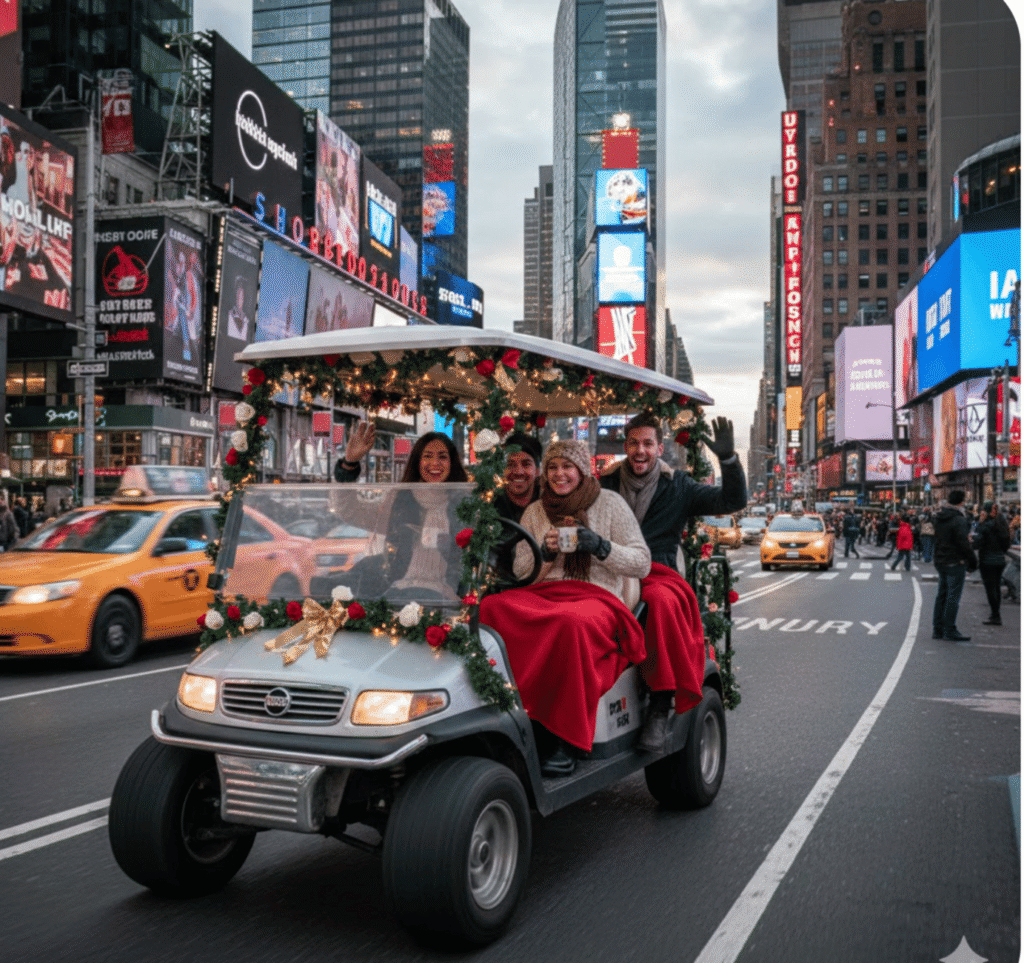
New York Christmas & Landmark Guided City Tour Cozy Cart
Experience the magic of NYC on this unique holiday tour! Explore festive Midtown and West Village landmarks adorned with lights and decorations. Visit Washington Square Park with its twinkling tree, stroll through West Village to see Taylor Swift’s 23 Cornelia Street and Sex and the City’s 66 Perry Street.




0 Comments